A short update on the three Florida-based partners we fund — what they do, what they've restored, and what comes next.
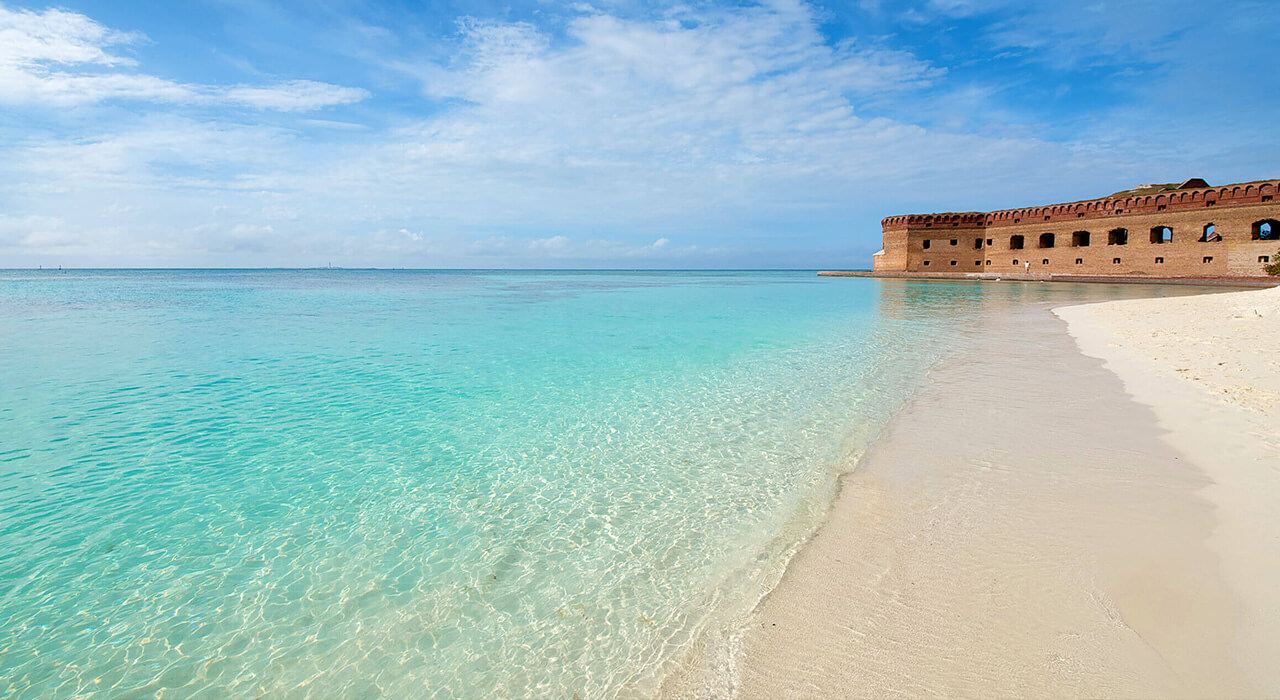
Florida's coral reefs are in the middle of the worst bleaching event ever recorded. The water that ran past Sand Key in the summer of 2023 was warmer than a hot tub — 38°C / 100°F — and stayed that way for weeks. Coral can't survive that. Whole stretches of reef went chalk-white in days.
You can't fix that from the outside. You can grow new coral, transplant it back, and try to find genotypes that survive heat better than the last generation did. That's the unglamorous, slow, science-heavy work three Florida organizations are doing right now — and where the 3% we donate goes.
Coral Restoration Foundation (Key Largo)
The largest reef restoration nonprofit in the world, based out of Key Largo. They grow staghorn and elkhorn coral fragments on offshore underwater "trees," then outplant them on damaged reefs once they're big enough. Their numbers are big: over 240,000 corals returned to the reef since 2007.
Reef Renewal USA (Tavernier)
Smaller, scrappier, focused on the South Florida reef tract north of the Keys. They train new dive teams every quarter — citizen scientists who learn to clean, monitor, and outplant coral. We particularly love that you can volunteer with them as a certified diver; it turns donation money into hands.
Mote Marine Laboratory (Summerland Key)
The science arm. Mote isolates heat-tolerant genotypes — corals that survived past bleaching events — and breeds them for resilience. This is the long game. If the reefs of 2050 look anything like the reefs of 2010, it'll be partly because of what Mote's doing right now.
"We can't dive what we don't protect. Three percent of every Florida Mermaid order, every single one — no markup, no middleman."
We'll publish the actual dollar amount donated at the end of every quarter — what came in, what went out, what each partner did with it. Full transparency, because anything less is just marketing.